

Gioacchino Murat Fountain: Between History and Symbolism
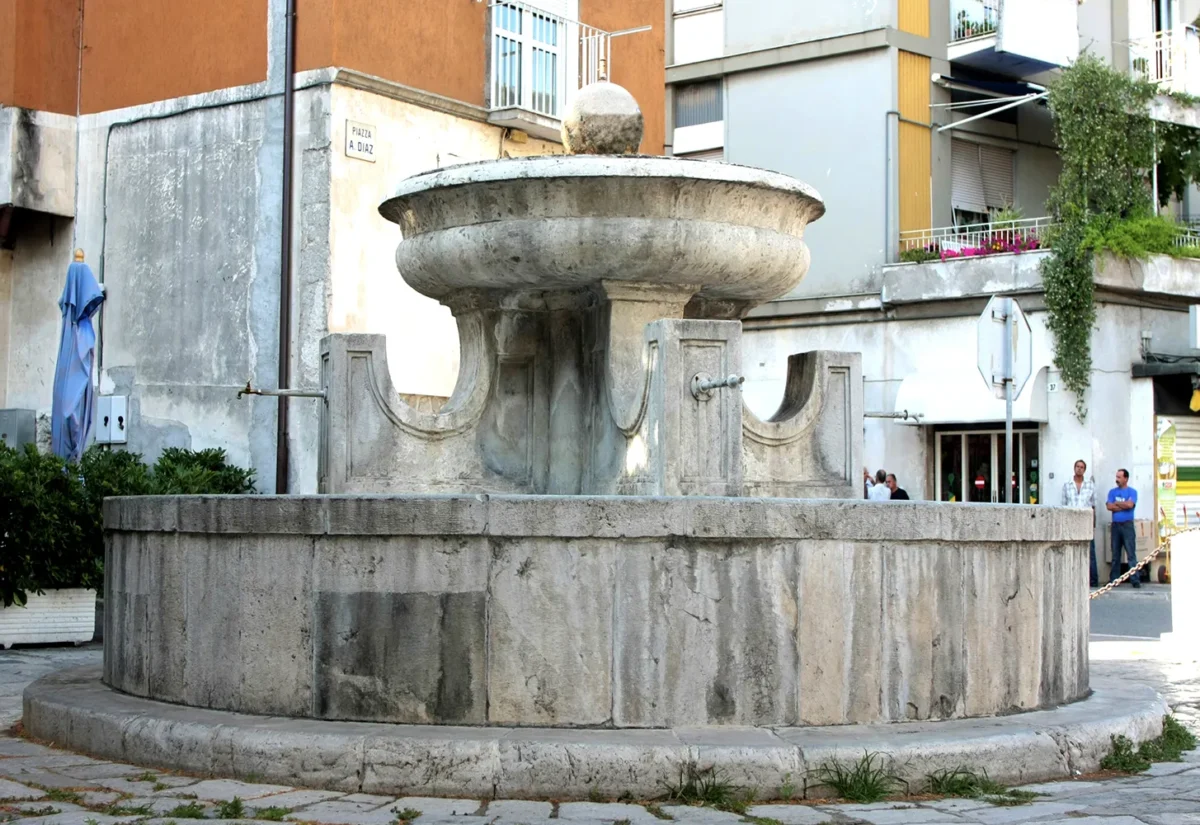
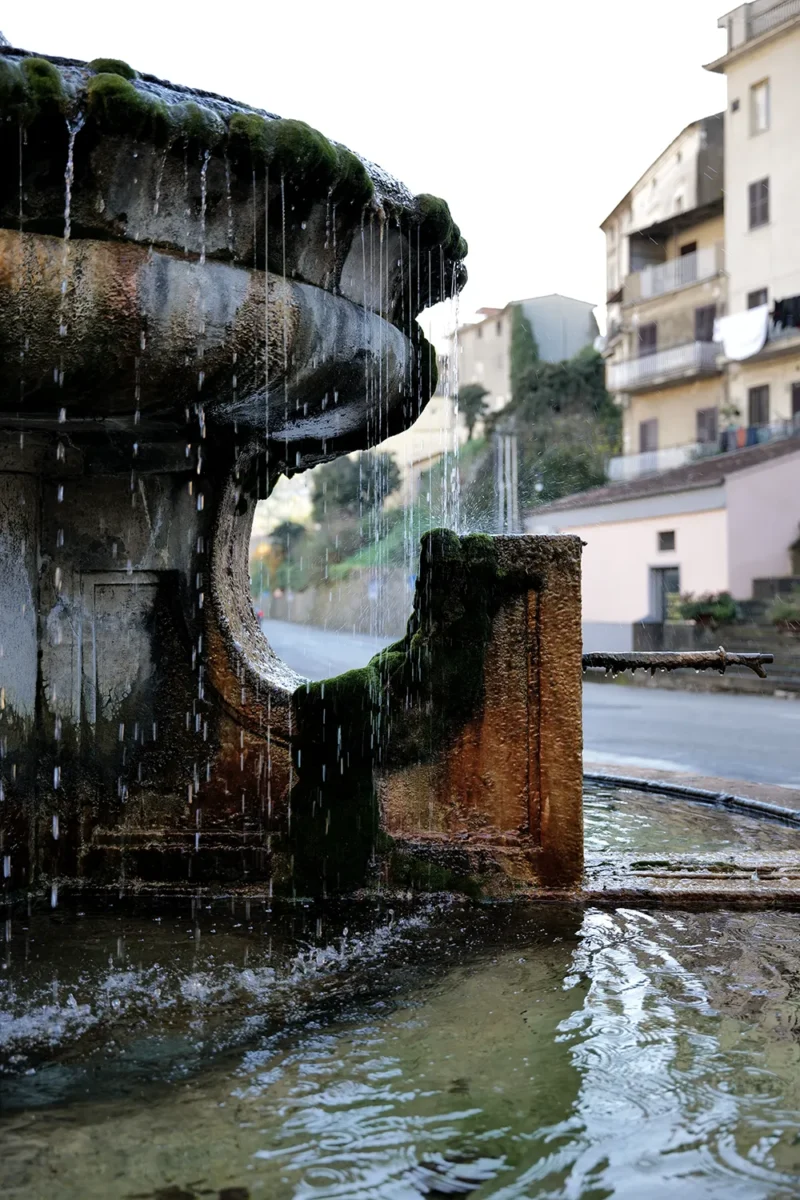
In the heart of the lower part of Itri, in Largo A. Diaz, stands the Gioacchino Murat Fountain, a monument steeped in history and ideals. Built in 1810 during the reign of Gioacchino Murat, King of Naples, the fountain lies along the ancient route of the Via Appia, bridging the modernity of its time with the splendour of ancient Rome.
Commissioned as a generous gift from the sovereign, the fountain reflects the aesthetics and values of the Napoleonic era. It takes the form of a basalt stone column, surrounded by octagonal posts that once supported chains, symbolising unity and fraternity. The architecture of the fountain, with its eight-pointed star pavement and carved masks, clearly echoes Masonic ideology. The recurring octagonal motif symbolises balance and harmony, themes central to the revolutionary movement and the culture of the time.
Today, the Murat Fountain is not only a fine example of 19th-century architecture but also a site of memory, inviting reflection on the connections between history, art, and ideals. It is a must-visit for those wishing to immerse themselves in Itri’s unique atmosphere and discover the traces of significant past events.


